GDPR Data Audits
Learn about GPDR audits in this article.

Introduction
The digital world today requires more protection of private information. That's why the GDPR regulation was introduced, which sets specific standards for how organisations handle personal data. To ensure that an organisation meets these standards, an assessment of the organisation's GDPR compliance is necessary. This is done through a review of GDPR compliance. By doing this in a systematic and objective way, an organisation will not only comply with the legal obligations related to GDPR, but it will also build more trust between the organisation and its customers.
In summary, the review of GDPR compliance is an evaluation of how well an organisation adheres to GDPR. The review helps to understand what kind of personal data is processed, how it is processed lawfully, and whether there is a need to process it at all. Regardless of the outcome, the organisation gains control over the processes through a review.
It is important to understand the purpose of the review and make time for it. The following will describe what a GDPR compliance review involves (including a checklist), how this process can be improved, and how the review can be made easier, faster (and maybe safer?) with modern tools, specifically designed to simplify the GDPR data review process without compromising quality.
Understanding GDPR compliance audits
Data processing can only happen if there is a legal basis, which is listed in GDPR Article 6 and Article 9. This is essential for data protection, as it establishes the conditions for when data processing is allowed. The data that can be processed must also follow specific principles ensuring careful handling in regards to fairness, transparency, accuracy, and protection. These principles include purpose limitation, minimising unnecessary data, and maintaining confidentiality. In addition, these principles must be documented to ensure that the organisation processes data responsibly.
Once activities involving data processing in the organisation have been determined, it is necessary to conduct a review; this is where the GDPR compliance audit comes into play. The principles can guide organisations in determining whether their data processing is responsible and correct. Additionally, reviewing GDPR compliance allows an examination of data processors to ensure responsible handling. Such reviews ensure full compliance and prevent unnecessary data processing.
Possible areas at risk of non-compliance with GDPR may be detected. Regular audits help identify potential non-compliance areas, allowing swift corrective action. Organisations should therefore prioritise ongoing data governance. If there is any non-compliance areas, an action plan must be created and implemented in order for the processing of data to be done in accordance with GDPR. By maintaining a robust data protection framework, businesses avoid expensive fines, damage to reputation, and, most importantly – breaches of data security.
How often should a GDPR compliance audit be conducted?
The frequency of a GDPR compliance audit can vary depending on several factors such as the size, sector, type of data, and risk level of the organisation. It is recommended to do an audit at least once a year to keep up with responsible processing principles and possible changes in GDPR legislation as well as UK data protection laws. Regular audits can help find and fix potential problems quickly.
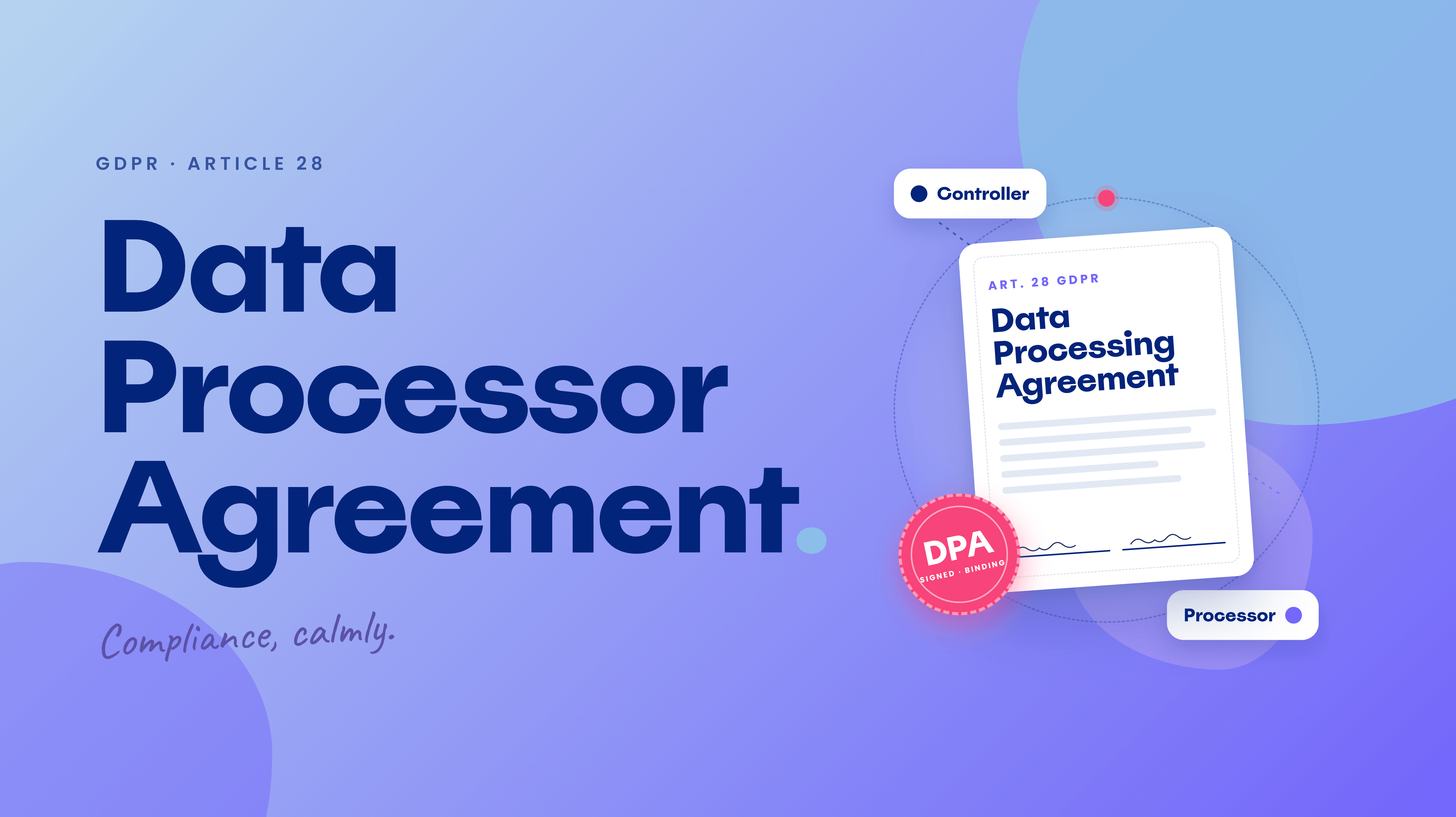
Digital tools can make the audit process easier and faster. A tool like the annual wheel helps plan and organise activities regularly and systematically. This tool schedules when specific audits should happen, making the process smooth. Another tool is the Data Processor Audit Service, which helps improve the tasks of the data controller and supervise data processors, ensuring proper and timely compliance. The tool also offers support for data processors to comply with GDPR.
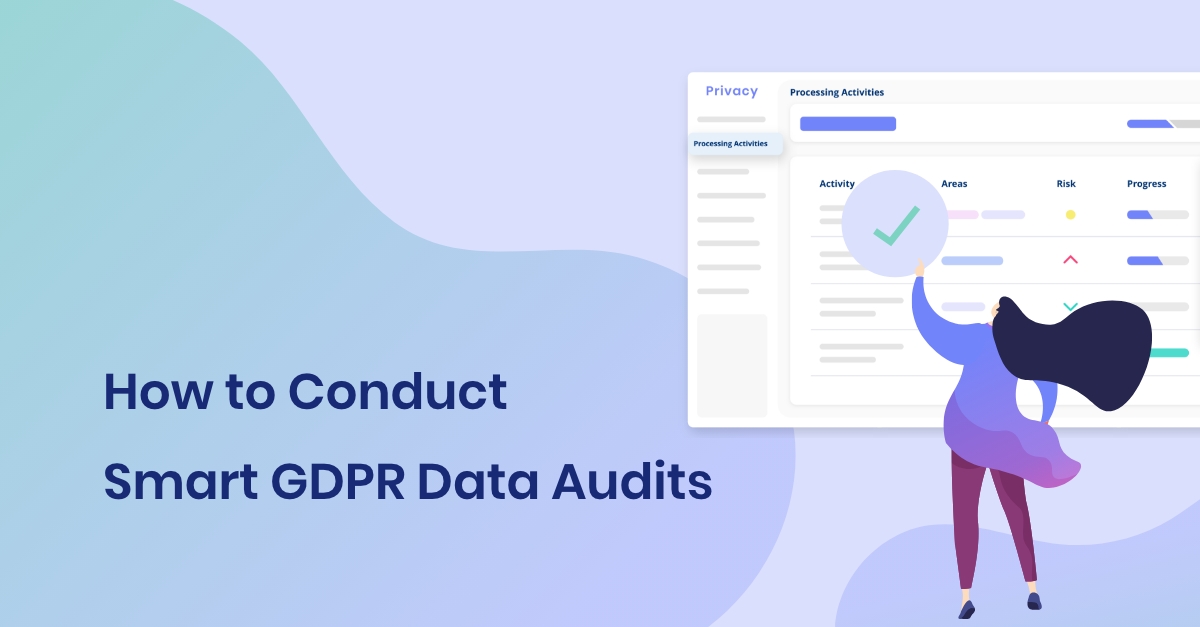
How to conduct smart GDPR data audits
 How do you conduct a review of the organisation's GDPR compliance? It is not necessarily an easy task, as it requires both time and effort. Therefore, it is important to clarify the GDPR review process to ensure that nothing is missed or ignored.
First, consider the scope of the review – how much needs to be examined? Next, look at the type of data involved and decide which data needs to be reviewed. Finally, establish a timeline for the review process.
The use of technology can significantly improve the efficiency of the review. As mentioned before, automated tools can streamline much of the practical aspects of conducting the review, providing a framework for a secure and thorough GDPR compliance review. These tools can also help highlight and identify potential compliance gaps and areas for improvement.
Furthermore, it is important to implement proactive measures to ensure ongoing GDPR compliance. This involves educating staff in GDPR and IT security, checking and possibly changing data protection policies, and scheduling regular data audits. These measures can be further automated and ensured through the use of an annual wheel.
It requires a mix of strategic planning, preventive actions, and possibly technological tools to help with the work in order to ensure GDPR compliance. By following a thorough and regular approach to such reviews, an organisation can efficiently handle its data protection obligations and minimise the risk of non-compliance.
GDPR documentation in Excel vs. Platform
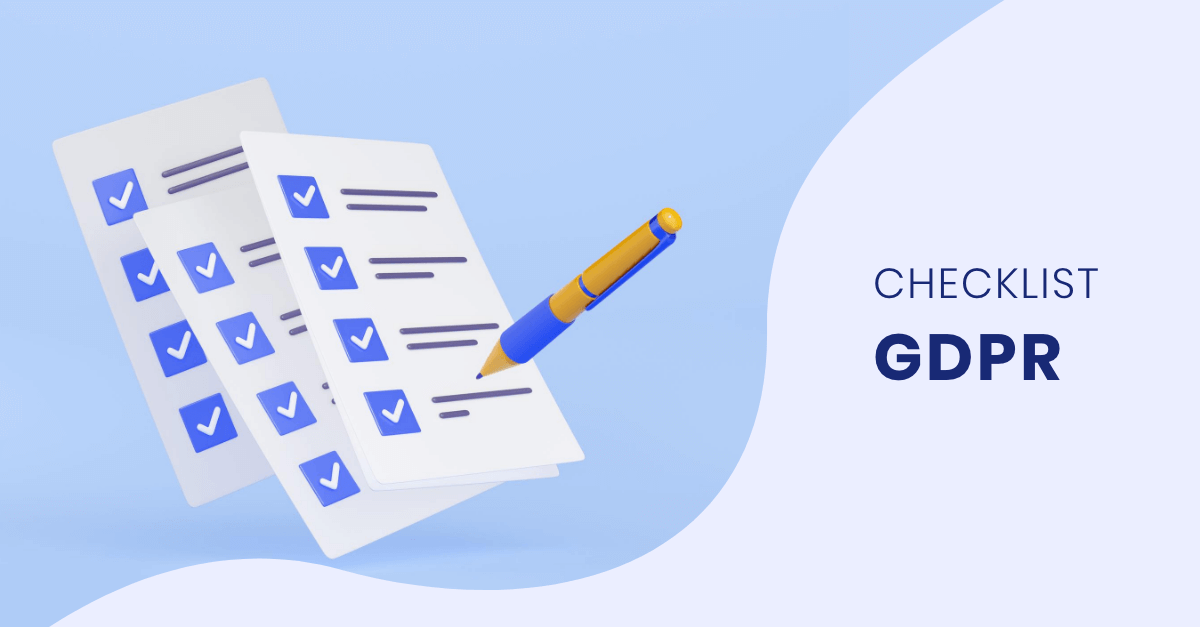
GDPR compliance audit checklist
To ensure a successful audit, there are several elements that are crucial for the organisation to get in order. The elements will of course depend on various factors, including the organisation's size, the type of data being processed, and so forth.
The following is a general checklist for areas to consider in connection with a GDPR compliance review:
-
Governance and Responsibility: Establish a framework for GDPR compliance and define roles/responsibilities within the organisation if not already done. Consider appointing a Data Protection Officer (DPO), although it is not a requirement for all organisation.
- Data Overview: Create an overview of the data that is being processed and consider whether the processing meets the requirements in GDPR Article 6 and Article 9, and whether it is done responsibly according to the principles mentioned earlier. A record of processing activities should be created with the relevant details included.
-
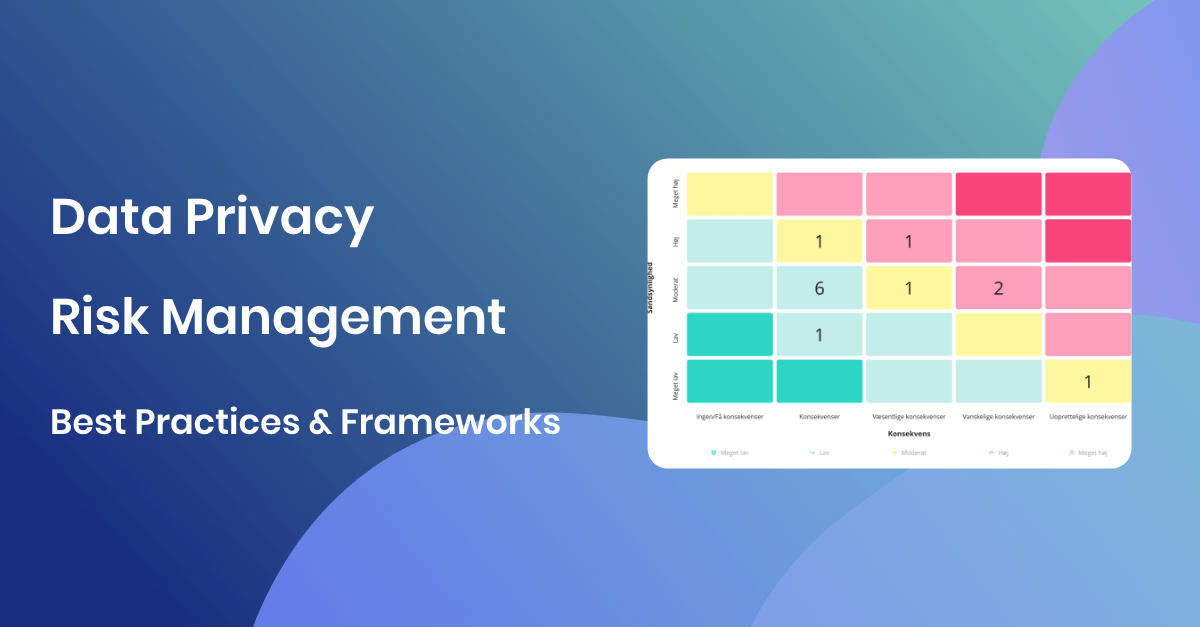
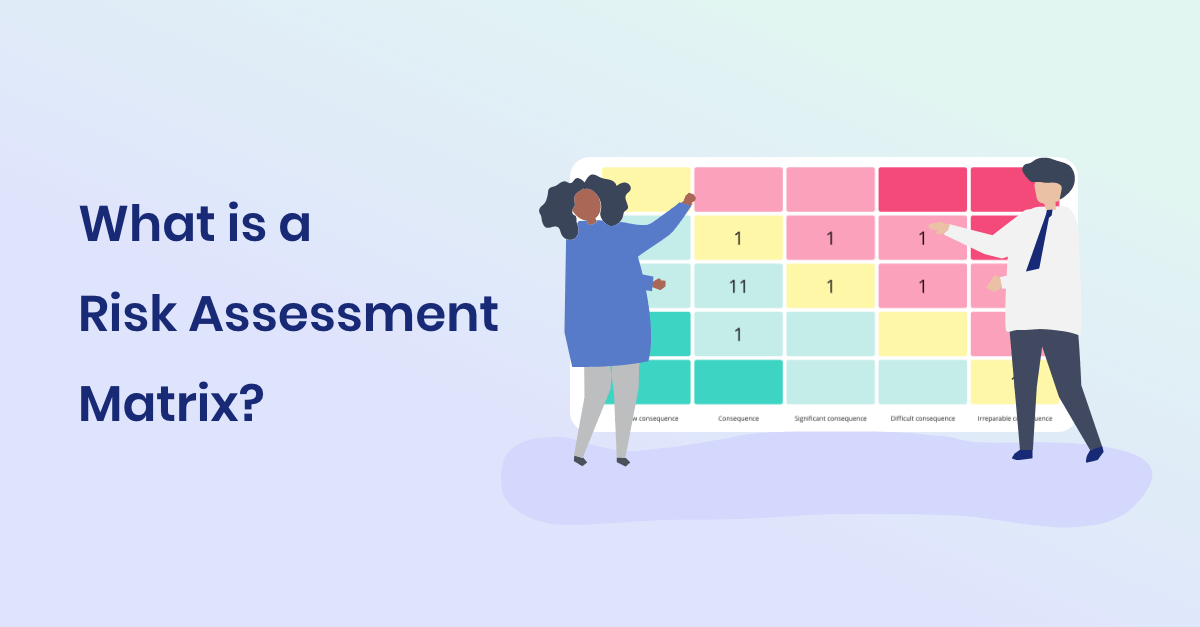
Risk Management: Perform a risk assessment to identify data protection risks. Implement risk-minimising measures if necessary.
-
Incidents: Keep a log of security incidents, if any have occurred.
-
Third Parties: Consider whether the organisation uses third-party technologies and if so, whether they comply with GDPR requirements.
-
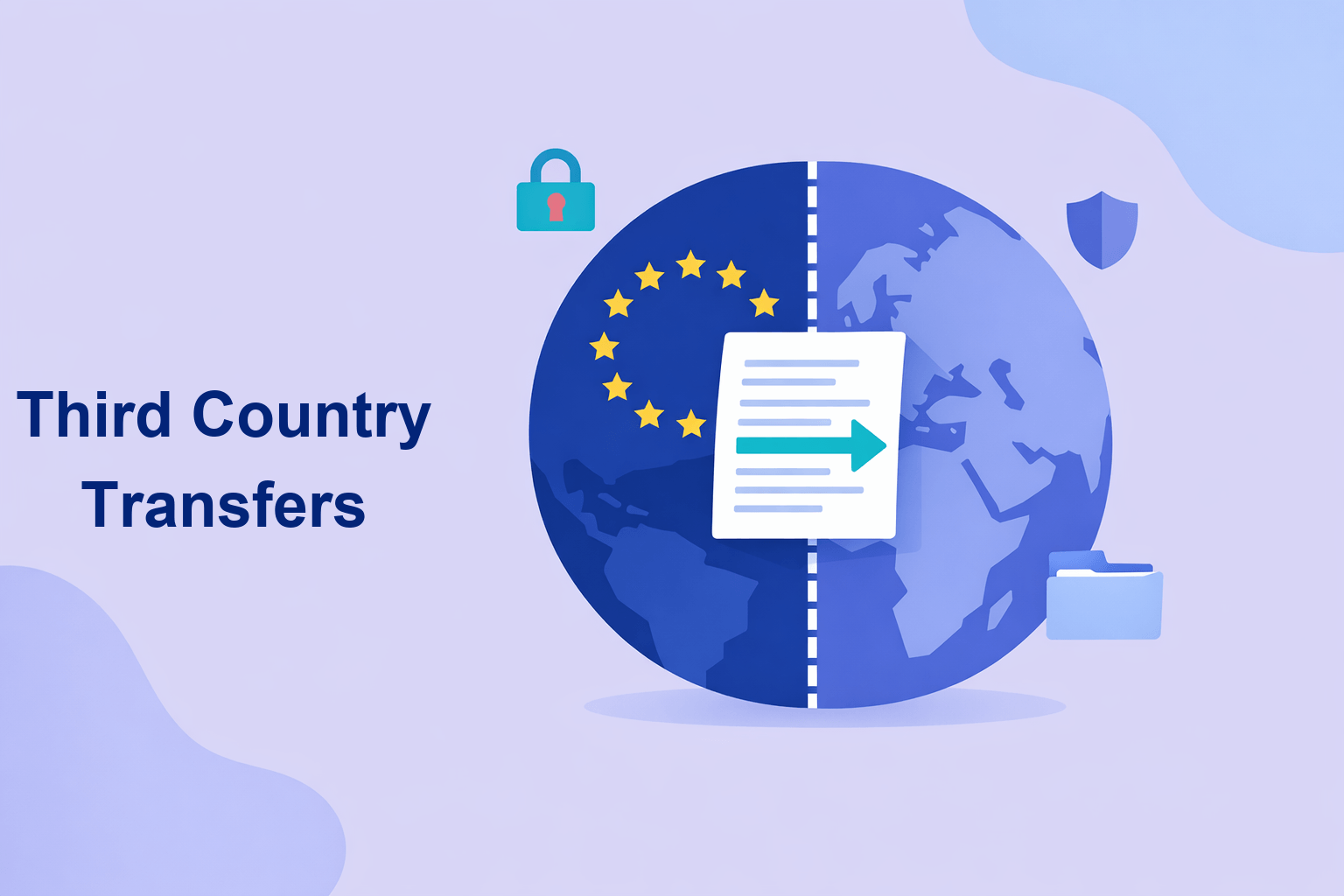
Unsafe Third Countries: Find out if the organisation sends or moves data outside the EU and make sure that this is necessary and done in a proper and responsible way.
- Consent: Examine whether consent is obtained before you process data, e.g., on your website.
- Awareness Training: Teach employees how to follow and implement GDPR rules, principles and obligations in their everyday tasks so that they know how to handle personal data. In addition, instruct employees on how to handle IT security.
-
Incorporate GDPR into Projects: Consider ongoing or future projects – do they comply with GDPR? Ensure that data protection aspects are integrated into project planning.
-
DPO: If the organisation has a DPO, assess their effectiveness in GDPR compliance and regulation. Additionally, consider whether the DPO has adequate resources.
-
Annual wheel: Plan activities and reviews in advance to ensure continuous and effective implementation and auditing.
- Customer Request: Establish procedures for handling requests from data subjects.
Software for GDPR data audits
This checklist is essential for ensuring compliance both during audits and in intervening periods. It may be a comprehensive process, but it is crucial to guarantee that data is handled and stored appropriately, and, most importantly, in accordance with legal requirements. If not the case, the audit provides an opportunity to alter the way data is handled.
Utilising digital tools can in many ways improve the efficiency of the auditing process while maintaining the integrity of the audit's quality. For instance, if you want to supervise data processors more efficiently, using the digital tool DPA Service from .legal can be beneficial. This tool simplifies the audit for both the data controller and the data processor while ensuring GDPR compliance. Using DPA Service, the organisation streamlines the supervision on a secure foundation with personal guidance throughout the process. In the end, the organisation will have a clear view on their sub-processors. Furthermore, the audit can be utilised to identify areas where the organisation may need improvement.
How to ensure proper data processing and supervision of data processors
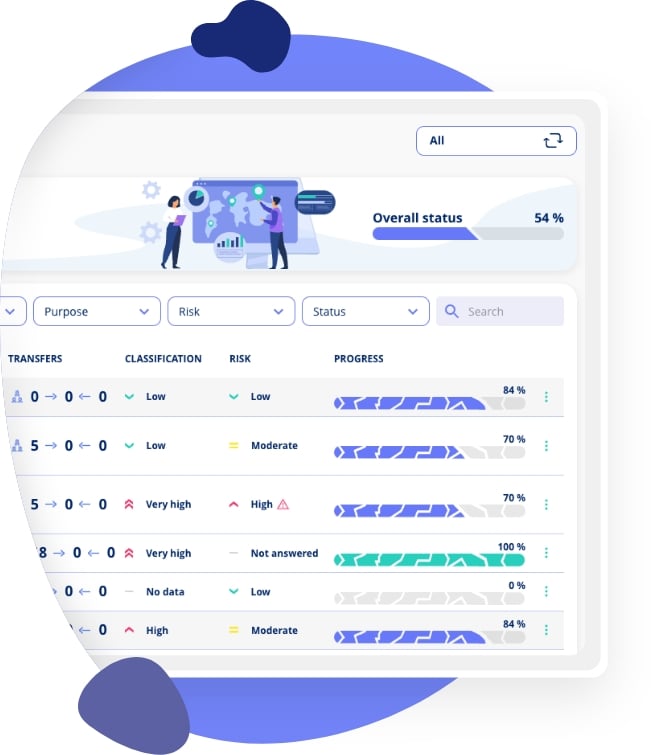
Another approach to enhance efficiency and ensure GDPR compliance is by using digital tools to create a record of the organisation's processing activities. One way to accomplish this is by using the Privacy tool provided by .legal. In this platform, users can register the processing of personal data in a straightforward and easily accessible format, specifying the details of what, where, how, and why, including the legal basis.
Such a tool helps form an overview of the organisation's processing activities while ensuring the correct legal basis and continuous audit. Additionally, users can monitor transfers to insecure third countries and conduct risk assessments of the organisation's processing activities.
Furthermore, these tasks can easily be delegated to the right handlers in the organisation, optimising the workflow. This ensures that an employee with the necessary qualifications manages a specific processing and its revision, facilitating a smoother and problem-free process.
Overview: GDPR, Information and Cyber Compliance Software Tools
Benefits of using GDPR data audit software
What benefits does the use of digital tools offer in terms of maintaining and auditing GDPR compliance?
The following outlines some areas where digital tools can be beneficial:
- Efficient data processing: Using a specialised GDPR compliance framework guarantees thoroughness, as the review process is automated and fully compliant (at .legal, the framework is developed by Bech-Bruun).
- Precision, accessibility, and transparency: Employing digital tools like Privacy or DPA Service ensures that relevant employees and managers always have instant access to the audit for both viewing and editing. Furthermore, the tool's framework provides an accurate and detailed overview of the processing of personal data both internally and externally in the organisation – all accessible with just a click.
- Streamlined handling of data subjects’ rights: The company will find it much easier to handle requests from data subjects to exercise their rights (such as deletion), as the relevant personal data is easier to locate. This will most likely also save both time and resources for the organisation and, most importantly, ensure that the organisation responds correctly and promptly to the request.
- Easy reporting and documentation: Utilising digital tools from .legal makes it simple and fast to generate a report that documents the organisation's GDPR compliance. The report is automatically generated using the information provided by the organisation. Additionally, it can easily and quickly be shared during audits or communication with supervisory authorities, such as the Data Protection Agency.
- Risk management: Understanding both the risks and consequences of data processing can be challenging. The tool assists by suggesting potential risk scenarios and generating likely consequences for the processing in question. This contributes to ensuring and streamlining the audit of data processing and risk assessment. It benefits both the organisation and the data subject by providing a risk management score that can lead to security optimisation and risk minimisation.
- Cost-efficiency: Automating GDPR processes with these tools can reduce the costs associated with manual monitoring, handling, and auditing of personal data. Organisations can optimise their resource allocation and focus on other strategic tasks by using efficient digital tools.
- Flexibility: Digital tools are scalable, allowing them to be adapted to the organisation's needs and complexity. This ensures that the organisation's GDPR compliance and revision can expand in accordance with its data management needs.
Ultimately, digital data protection tools enable more efficient management of personal data, risk minimisation, and easier GDPR compliance audit in a practical, secure, and cost-effective manner.
Challenges in GDPR compliance audits - and solutions
 Achieving GDPR compliance and conducting an audit can be challenging. This is especially due to factors such as resource limitations, policy development and maintenance, as well as concerns and adjustments to data security. A significant aspect of a GDPR compliance audit is ensuring that what is promised is also upheld – a task that requires consistency and awareness.
Streamlining this process can be accomplished by using a digital tool to automate tasks. At .legal, the Privacy tool provides a proactive solution, making it easier to remember to review tasks like GDPR audits. The service includes a tool to conduct an annual wheel where tasks and reminders can be scheduled to ensure that the commitments are met and can be documented if necessary. Privacy also suggests relevant activities based on the organisation's plans, whether it pertains to GDPR, NIS2, or other regulations. This involves evaluations of processing activities, potential risks, data processors, and more. It helps prevent commitments from being overlooked, as the system provides recommendations and guidance to meet specific requirements which will help make an audit more straightforward and manageable.
Similarly, DPA Service from .legal assists the organisation in ensuring that the right questions are posed to their data processors – and at the right time. .legal also aids in the entire process, ensuring that all steps are carried out correctly and in accordance with applicable rules. This is to ensure the proper implementation and revision of GDPR. Furthermore, this ensures a thorough follow-up and accurate audit to verify GDPR compliance regarding data processors.
Utilising digital tools ensures that the GDPR compliance audit is conducted promptly and involves the appropriate employees. This not only simplifies and improves the efficiency of the process but also guarantees a high standard and adds structure to the process.
Wrap up
To sum up, GDPR compliance audits are essential for organisations handling personal data, as they help ensure legal and ethical data practices as well as avoiding negative consequences. To conduct such an audit, an organisation needs to establish a data governance framework, map and assess data flows as well as risks, implement and document policies and procedures, and plan regular reviews and updates.
As mentioned, these GDPR compliance audits can be challenging and resource-intensive due to the complexity and dynamics of data protection regulations and processing activities. Hence, organisations can benefit from using digital tools that automate and simplify the audit process, such as .legal's DPA Service and Privacy, offering various output formats and features to support GDPR compliance. This enhances the effective management of both GDPR compliance and subsequent audits while maintaining high quality compliance.
Frequently Asked Questions About GDPR Data Audits














.legal compliance platform Conduct smarter GDPR data audits
-
Automated audit checklists and workflows
-
Real-time compliance monitoring
-
Centralised findings and action tracking
-
Complete audit history and reporting





.jpeg)

.jpg)
.jpg)



.jpg)

-1.png)



.jpeg)








.jpg)